

Search used to be straightforward. A customer typed a phrase into a search engine, reviewed a list of links, and chose a website. That behavior still matters, but it is no longer the whole journey. People now ask AI assistants direct questions, read summaries in search results, use maps to find nearby businesses, and compare recommendations across several platforms before they click.
Discovery now happens in more places
A brand can be visible in a traditional search result and still be absent from an AI-generated answer. It can rank well nationally while being difficult to find in local map results. It can publish useful information but lose attention because its company details are inconsistent across the web. Modern discovery is the combined result of rankings, relevance, authority, location, reputation, and the clarity of the information a brand publishes.
This change does not make search optimization less important. It makes the foundation more important. AI systems and search engines both need accurate pages, understandable services, consistent business facts, and trustworthy evidence. A clear website gives every discovery system better material to work with.
What AI systems look for
AI models do not simply choose the website with the most keywords. They look for information that answers a question clearly and can be supported by reliable sources. Helpful service pages, precise location details, strong author information, useful explanations, and consistent brand references make it easier for a system to understand what a company does and when it should be mentioned.
Structured data can help search engines interpret a page, but it cannot replace useful content. The best approach combines technical clarity with plain language. Each important page should explain who the service is for, what problem it solves, where it is available, and what a customer should do next.
How brands can stay visible
- Track the search terms that matter to actual customers, not only broad industry phrases.
- Review rankings by location and search surface so local changes are not hidden inside an average.
- Keep names, addresses, services, and contact information consistent across the website and trusted listings.
- Publish direct answers to common customer questions and update them when the service changes.
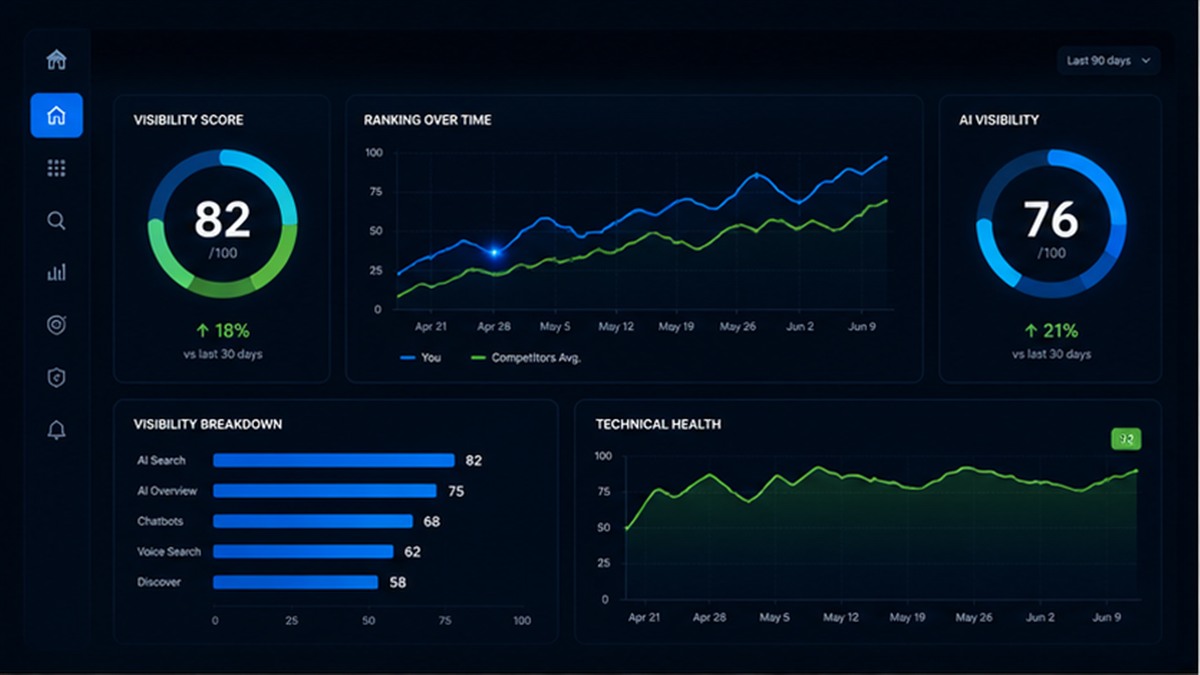
- Measure AI visibility separately from traditional rankings because the two results can move differently.
Measure movement instead of guessing
A single ranking check is only a snapshot. The useful story appears over time. Historical tracking shows whether a change is temporary, whether a competitor is gaining ground, and whether a page improvement is producing real movement. It also prevents a team from reacting to one unusual result without context.
The goal is not to chase every platform independently. The goal is to build a clear, trustworthy digital presence and measure how that presence is represented across the places customers use. Brands that do this consistently are easier to find, easier to understand, and easier to choose.